

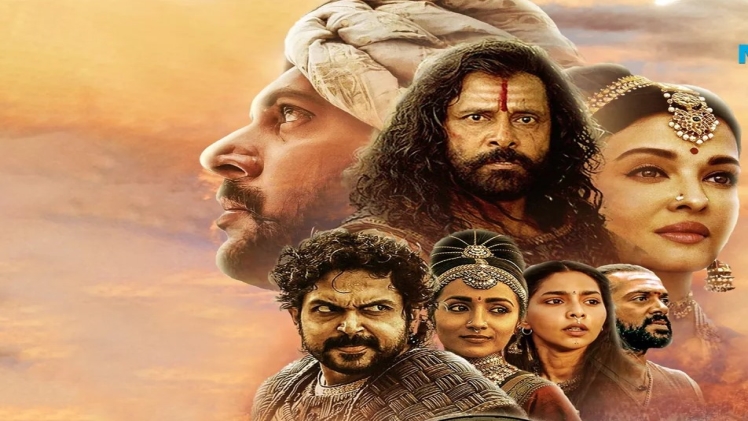
Mani Ratnam’s Magnum Opus: Ponniyin Selvan I Review
Mani Ratnam’s “Ponniyin Selvan: I” is a grand adaptation of Kalki Krishnamurthy’s iconic Tamil novel, which has captivated readers for decades. Set in the Chola dynasty during the 10th century, the film brings to life a complex narrative of power, politics, and passion, weaving a tapestry of history that is both intricate and enthralling.
From the moment the film begins, it is clear that Ratnam has spared no effort in creating a visual and auditory spectacle. The cinematography by Ravi Varman is nothing short of breathtaking. Each frame is meticulously crafted, capturing the opulence of the Chola empire with sweeping landscapes, majestic palaces, and intricate period details. Varman’s use of light and shadow enhances the mood, creating an immersive experience that transports the audience back in time.
A.R. Rahman’s musical score is another highlight, providing a powerful and emotive backdrop to the unfolding drama. The soundtrack blends traditional and contemporary elements, enriching the narrative and adding depth to the characters’ emotional journeys. Rahman’s ability to convey the essence of the period through his music is remarkable, making the film’s auditory experience as compelling as its visual one.
The film boasts an impressive ensemble cast, each actor bringing their character to life with remarkable authenticity. Vikram shines as Aditya Karikalan, the fierce warrior prince struggling with his inner demons. His portrayal is intense and layered, capturing the complexities of a character torn between duty and personal turmoil. Aishwarya Rai, in the dual roles of Nandini and Mandakini Devi, delivers a stellar performance, embodying both the beauty and cunning of her characters. Her presence on screen is magnetic, and she masterfully conveys the intricate web of emotions that drive Nandini’s quest for revenge.
Karthi, as the charismatic Vanthiyathevan, provides a perfect counterbalance to the darker tones of the film. His character’s wit and bravery add a sense of adventure and lightness, making his journey through the Chola kingdom both engaging and entertaining. Jayam Ravi, as the titular Ponniyin Selvan (Arulmozhivarman), exudes a quiet strength and nobility, embodying the qualities of a future king destined for greatness. The supporting cast, including Trisha as Kundavai and Prakash Raj as Sundara Chola, deliver powerful performances that enrich the narrative.
Ratnam’s screenplay skillfully navigates the novel’s complex plot, condensing its vast array of characters and subplots into a cohesive and engaging narrative. The pacing is well-balanced, with moments of intense drama interspersed with quieter, character-driven scenes. This allows the audience to fully invest in the characters’ journeys and the stakes of their struggles.
One of the film’s greatest strengths is its portrayal of strong, multidimensional female characters. Kundavai, played by Trisha, is a standout, depicted as intelligent, strategic, and compassionate. Her influence in the political sphere is significant, and her relationship with her brothers adds depth to her character. Aishwarya Rai’s Nandini, on the other hand, is a force of nature, driven by vengeance and ambition. The film does not shy away from exploring her motivations and the impact of her actions on the narrative.
While “Ponniyin Selvan: I” is a visual and auditory feast, it also delves deep into themes of loyalty, honor, and the often-volatile nature of power. Ratnam’s direction ensures that these themes are woven seamlessly into the narrative, providing a thought-provoking backdrop to the epic saga.
In conclusion, “Ponniyin Selvan: I” is a monumental achievement in Tamil cinema. Mani Ratnam’s meticulous attention to detail, combined with stellar performances, breathtaking cinematography, and a hauntingly beautiful score, make this film a must-watch. It honors the legacy of Kalki Krishnamurthy’s novel while standing as a testament to the power of cinema to bring history and literature to life.
