

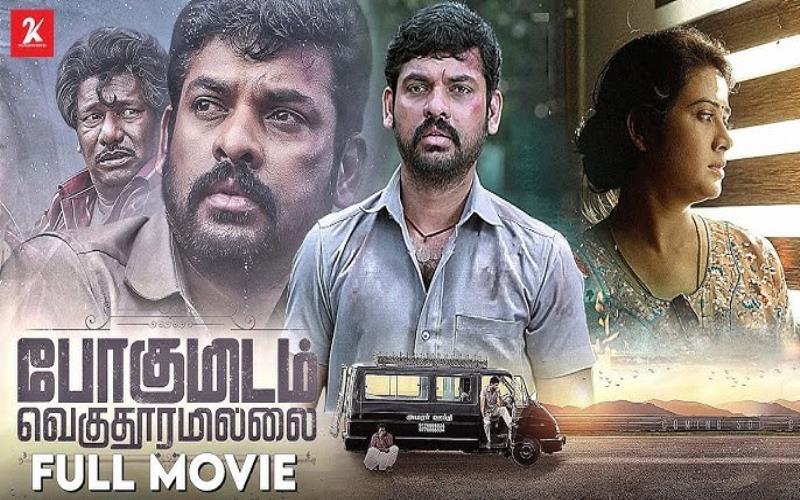
Pogumidam Vegu Thooramillai Movie Review: A Heartwarming Exploration of Dreams, Challenges, and Unbreakable Bondsb
Introduction to Pogumidam Vegu Thooramillai
Pogumidam Vegu Thooramillai is a moving Tamil drama that tells a story of love, separation, and emotional reconciliation. Directed by Balaji Vairamuthu, the film delves deep into the complexities of relationships, focusing on how distance—both physical and emotional—can affect human connections. The title, which translates to “The Distance to Go Is Not Far,” serves as a metaphor for the emotional journey that the characters must undergo to find closure and acceptance.
Set in both urban and rural backdrops, the movie explores themes of love, regret, personal growth, and forgiveness, offering a heartfelt narrative that resonates with the audience. With a combination of beautiful storytelling, meaningful dialogues, and authentic performances, Pogumidam Vegu Thooramillai leaves a lasting emotional impact.
Plot Overview and Storyline
The plot revolves around Arun (played by Ashok Selvan), a city-dweller consumed by the fast-paced nature of urban life. Arun’s life takes an unexpected turn when he reconnects with Madhumitha (played by Ritu Varma), his estranged love from the past, during a wedding in their hometown. Though years have passed, their unresolved feelings resurface, forcing them to confront the choices and regrets that have shaped their lives.
The movie explores two timelines—the present, where Arun and Madhumitha meet again after years, and the past, which portrays their blooming romance and the misunderstandings that led to their separation. The narrative alternates between these timelines, gradually unraveling the depth of their connection and the circumstances that forced them apart.
At its heart, Pogumidam Vegu Thooramillai is a story about second chances—the characters must overcome past mistakes and let go of grudges to build a meaningful future. Arun struggles with his emotional vulnerabilities, while Madhumitha seeks closure from the pain caused by their breakup. Their journey reflects the challenges of balancing love with personal ambitions, making their reunion both touching and relatable.
Character Performances and Emotional Depth
The film thrives on the authentic performances delivered by its lead actors. Ashok Selvan portrays Arun with great nuance, capturing the character’s internal conflict and growth. His performance conveys the struggles of a man grappling with regrets, trying to reconnect with his past while figuring out his future. Arun’s transformation—from a young lover caught in his insecurities to a mature individual seeking redemption—feels natural and deeply emotional.
Ritu Varma shines as Madhumitha, delivering a poised and emotionally layered performance. She portrays a woman who has learned to live with heartbreak but yearns for closure. Her expressions convey more than words, making her character’s pain and hope tangible. Madhumitha’s journey is a reflection of resilience, and Ritu’s portrayal brings authenticity and depth to the role.
The supporting cast adds further substance to the story. Azhagam Perumal plays Arun’s father, a wise figure who offers advice on life and relationships. His scenes provide moments of introspection, adding emotional weight to the narrative. The chemistry between Ashok Selvan and Ritu Varma is palpable, making their moments of reunion and confrontation feel genuine and heartfelt.
Direction, Cinematography, and Visual Appeal
Balaji Vairamuthu’s direction ensures that Pogumidam Vegu Thooramillai remains a well-balanced narrative. His storytelling approach emphasizes emotional subtlety, avoiding melodrama and allowing the characters’ experiences to unfold naturally. Vairamuthu’s ability to blend past and present timelines seamlessly keeps the audience engaged, gradually revealing the complexities of Arun and Madhumitha’s relationship.
The cinematography by Selvakumar S.K. enhances the narrative by beautifully capturing the contrasts between urban and rural life. The vibrant visuals of the countryside, with its green fields and tranquil lakes, symbolize nostalgia and the simplicity of love, while the bustling streets of the city reflect the pressures of ambition and personal growth. These visual contrasts reinforce the emotional tension between the characters.
The use of lighting and framing plays a crucial role in conveying the characters’ emotional states. Soft, warm lighting is used for scenes from the past, evoking the warmth of young love, while the present-day scenes are marked by cooler tones, emphasizing the emotional distance between the characters. The visual storytelling adds depth to the narrative, making the audience feel connected to the characters’ journeys.
Music and Sound Design
The music composed by Govind Vasantha is a highlight of the film. The soundtrack reflects the film’s emotional journey, with songs that enhance the romantic and reflective moments. Each song is carefully placed to resonate with the characters’ emotions, deepening the impact of key scenes. The music plays a pivotal role in bridging the past and present timelines, helping the audience connect with the characters’ memories and experiences.
The background score is subtle yet effective, amplifying the emotional tension during moments of confrontation and reconciliation. The sound design captures the essence of both urban and rural settings, adding authenticity to the film. The ambient sounds of nature—like the rustling of leaves and chirping of birds—create a sense of nostalgia during scenes set in the countryside, while the bustling noises of the city underline the challenges faced by the protagonists.
Strengths and Weaknesses
Pogumidam Vegu Thooramillai excels in character development and emotional storytelling. The chemistry between the lead actors, combined with the director’s nuanced approach to relationships, makes the narrative engaging and relatable. The film’s exploration of second chances and personal growth adds emotional weight, ensuring that the audience remains invested in the characters’ journeys.
However, some viewers might find the film’s pacing slow, particularly during the transitions between past and present timelines. While the steady pacing allows for in-depth character exploration, a few scenes could have been trimmed to maintain a tighter narrative flow. Additionally, the resolution of certain conflicts may feel predictable to seasoned viewers of romantic dramas. Despite these minor shortcomings, the film’s emotional depth and authentic performances make it a compelling watch.
Audience Reception and Critical Response
Pogumidam Vegu Thooramillai has received positive reviews from both critics and audiences. Viewers have praised the film’s ability to balance romance with emotional depth, highlighting the performances of Ashok Selvan and Ritu Varma as standout elements. The film’s cinematography, music, and direction have also been widely appreciated, adding to its overall appeal.
Critics have lauded Balaji Vairamuthu’s direction for his sensitive portrayal of relationships and the film’s exploration of second chances. While some viewers noted the slow pacing, most agreed that the film’s emotional resonance and thoughtful storytelling make it a must-watch. Pogumidam Vegu Thooramillai has struck a chord with audiences looking for narratives that explore love, regret, and reconciliation in a meaningful way.
Conclusion: Why You Should Watch Pogumidam Vegu Thooramillai
Pogumidam Vegu Thooramillai is a beautifully crafted film that offers a profound exploration of relationships, forgiveness, and second chances. With engaging performances, stunning visuals, and soulful music, the film provides an emotional experience that resonates with audiences. The story of Arun and Madhumitha serves as a reminder that it is never too late to confront the past and pursue meaningful connections.
If you enjoy romantic dramas with well-developed characters and heartfelt storytelling, Pogumidam Vegu Thooramillai is a must-watch. The film’s exploration of love, personal growth, and emotional reconciliation ensures that it leaves a lasting impact, making it a memorable cinematic experience.
