

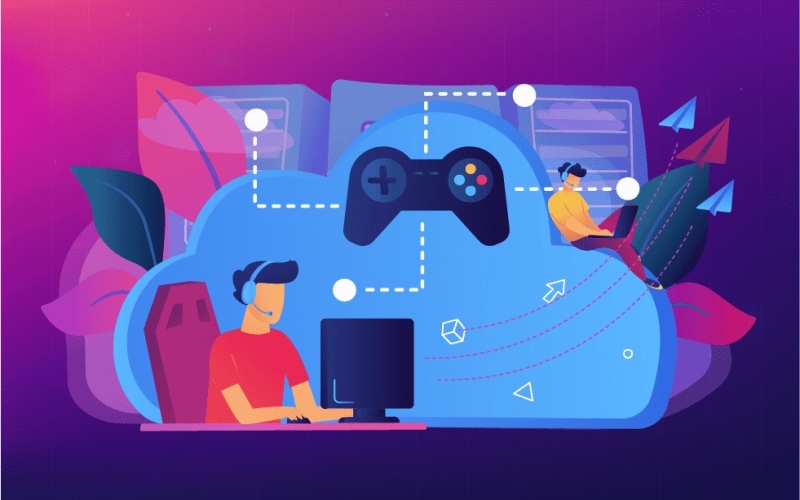
The rise of online Sabatoto gaming has profoundly transformed the entertainment industry, creating new ways for people to engage, interact, and experience entertainment. No longer just a niche activity, online gaming has evolved into a global phenomenon, influencing everything from social dynamics to technological advancements. This article delves into how online games have revolutionized the entertainment landscape, shaping not only how we play but also how we connect, learn, and consume content.
1. A New Era of Social Interaction
Online games have redefined socialization. Before the digital age, entertainment was often a solitary experience or limited to in-person interactions. With the advent of online multiplayer games, players from around the world can now come together to collaborate, compete, and communicate in real-time.
Global Connectivity
Online Togel279 gaming allows players to connect with others across the globe, regardless of geographic location. This universal access has expanded the scope of social interaction, turning gaming into a truly global activity. Whether playing with friends or making new ones in virtual worlds, online games foster a sense of community that transcends traditional boundaries.
Building Communities and Friendships
The social aspect of online gaming has led to the development of vibrant communities. Players bond over shared interests, strategy discussions, and in-game experiences. For many, these communities are more than just a space to game—they offer a sense of belonging, emotional support, and camaraderie. From casual players to professional eSports teams, online gaming has built friendships that last beyond the screen.
2. Competitive Gaming: The Rise of eSports
One of the most significant ways online gaming has revolutionized entertainment is through the emergence of eSports. What was once a casual activity has transformed into a competitive, professional sport, with tournaments, sponsorships, and millions of dollars in prize money.
Professionalization of Gaming
eSports has created a new industry within entertainment, with competitive players, coaches, and analysts working together to build successful teams and tournaments. Major games like League of Legends, Dota 2, and Fortnite have created international platforms for players to compete at the highest level, while streaming platforms like Twitch and YouTube Gaming allow fans to watch these competitions in real-time.
Monetization and Sponsorships
The professional gaming ecosystem has also driven significant economic activity. With the support of global brands and sponsors, eSports events now draw thousands of live viewers, while millions more tune in online. Prize pools for major events can reach tens of millions of dollars, and players have become celebrities, attracting endorsement deals and a loyal fanbase. This professionalization of gaming has proven that online gaming is no longer just a hobby—it’s a legitimate career path for many.
3. Immersive and Interactive Content
Online games have also revolutionized how we experience interactive entertainment. The boundaries between traditional forms of media—such as movies, TV shows, and music—and gaming have blurred, leading to more immersive, engaging experiences.
Open-World Games and Player Agency
Games like Grand Theft Auto V and The Elder Scrolls V: Skyrim offer expansive, open worlds where players can create their own narratives. These games provide players with unparalleled freedom, allowing them to explore, create, and engage with the world at their own pace. This level of immersion has revolutionized the concept of interactive storytelling, enabling players to become active participants rather than passive observers.
Storytelling in Online Games
Game developers are increasingly incorporating intricate storylines, character development, and emotional depth into their creations. Titles like The Last of Us Part II and Red Dead Redemption 2 demonstrate the potential of online gaming to deliver cinematic experiences that rival those of Hollywood. The rise of interactive narratives has not only revolutionized gaming but also influenced the broader entertainment industry in terms of storytelling techniques and audience engagement.
4. Game Streaming: Changing the Way We Consume Entertainment
Game streaming has become one of the most significant shifts in entertainment, offering a new way to experience video games. Services like Google Stadia, Microsoft xCloud, and NVIDIA GeForce Now allow players to stream high-quality games directly to their devices, eliminating the need for expensive hardware.
Accessibility and Convenience
Game streaming has made gaming more accessible than ever before. Players no longer need to invest in powerful gaming consoles or PCs to enjoy the latest titles. Instead, games can be streamed on devices like smartphones, tablets, and low-end computers, enabling more people to participate in gaming regardless of their technical setup. This shift democratizes gaming, making it available to a broader, more diverse audience.
The Impact on Game Development
As game streaming grows, developers are focusing on creating games that are optimized for streaming. This has led to an evolution in how games are designed, with an emphasis on cloud compatibility, faster load times, and better graphical performance. The shift toward streaming is also influencing the way games are distributed, with digital downloads and subscription services replacing traditional physical copies.
5. Virtual Reality (VR) and Augmented Reality (AR): The Future of Immersive Gaming
The integration of virtual reality (VR) and augmented reality (AR) into online gaming is pushing the boundaries of what’s possible in entertainment. These technologies are providing players with entirely new ways to experience games, offering more immersive and interactive environments.
Virtual Reality (VR) Gaming
VR gaming places players directly inside the game world, allowing them to physically interact with the environment using specialized headsets and controllers. Games like Beat Saber, Half-Life: Alyx, and Resident Evil Village showcase the potential of VR to create deeply immersive experiences. The technology has brought about a fundamental shift in how we interact with games, creating a more physical, real-world connection to virtual spaces.
Augmented Reality (AR) Gaming
AR, on the other hand, blends the real world with virtual elements, creating interactive experiences that overlay digital content onto the physical environment. Popularized by games like Pokémon GO, AR is opening new possibilities for outdoor gaming experiences. In the future, we can expect even more sophisticated AR applications that will merge gaming with everyday life, allowing players to engage with virtual objects and characters in the real world.
6. The Rise of Mobile Gaming
Mobile gaming has exploded in popularity over the last decade, bringing online games to the palm of players’ hands. Mobile platforms have allowed games to reach audiences who might not have traditionally been gamers, leading to a massive expansion in the gaming community.
Accessibility and Convenience
With the advent of smartphones and tablets, online gaming has become more portable and accessible than ever. Players can enjoy gaming during commutes, while waiting for appointments, or even on vacation. This convenience has made mobile gaming a primary form of entertainment for many, especially as titles like Clash Royale, PUBG Mobile, and Genshin Impact offer high-quality experiences on mobile devices.
Monetization and Free-to-Play Models
The mobile gaming industry has also introduced new monetization models, particularly free-to-play with in-app purchases. This model has made games more accessible to a wide audience, as players can try the game without any upfront cost. In-app purchases allow players to enhance their experience, whether through cosmetic items or in-game boosts, providing developers with a sustainable revenue stream.
7. Gaming as a Form of Content Creation
The rise of gaming content creation has transformed online gaming from a simple hobby into a profession for many. Platforms like Twitch, YouTube Gaming, and Facebook Gaming have made it possible for players to stream their gameplay, share tutorials, and create content for millions of viewers.
Streamers and Content Creators
Top streamers and YouTubers have become household names, amassing huge followings and generating revenue through ads, sponsorships, and donations. Gaming content creation has brought about a new form of entertainment, where viewers are no longer just passive consumers—they are active participants, engaging with the content through comments, donations, and subscriptions.
Fan Engagement and Interactivity
The interaction between gamers and their audiences has revolutionized the entertainment landscape. Viewers can engage with streamers in real-time, influencing the game’s outcome through donations or suggestions. This level of engagement has created a new type of content that is interactive and dynamic, offering a fresh way to experience entertainment.
Conclusion
Online games have fundamentally transformed the entertainment industry, offering new forms of social interaction, immersive storytelling, competitive play, and accessibility. From the rise of eSports to the integration of VR and AR technologies, online gaming is pushing the boundaries of what we can expect from digital entertainment. As the industry continues to evolve, it’s clear that online gaming will remain a dominant force in shaping the future of entertainment, providing innovative ways to play, connect, and experience virtual worlds.
