

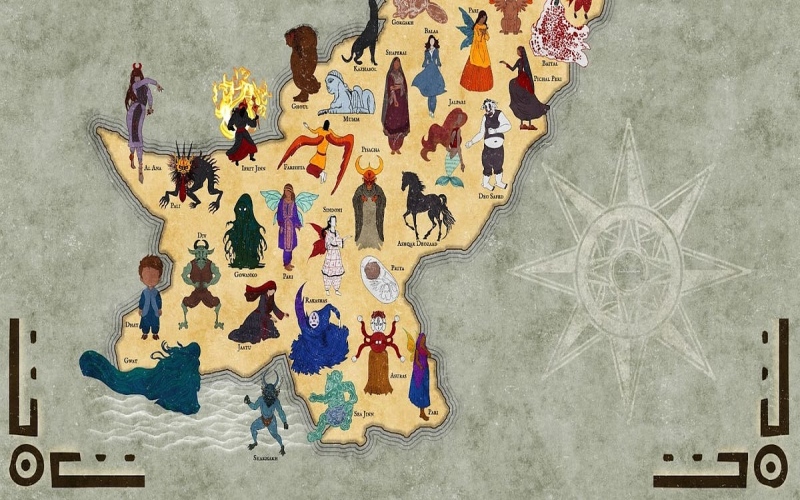
Pakis Sidoarjo, a picturesque subdistrict in East Java, Indonesia, is steeped in history, culture, and captivating folklore. The region’s legends and oral traditions are an integral part of its identity, reflecting the beliefs and values of its people while offering a glimpse into its fascinating past. These tales, often passed down through generations, feature mythical creatures, heroic figures, and moral lessons. Here are some of the most intriguing local legends and folklore from pakisidoarjo.org that continue to shape its cultural landscape.
1. The Tale of Candi Pari
The Candi Pari temple, a striking Hindu-Buddhist relic from the Majapahit era, is shrouded in mystery and legend. Local lore suggests that the temple was built by a man named Raden Joko Pari, a devoted subject of the Majapahit kingdom. According to the story, Raden Joko Pari was tasked with constructing the temple in a single night to prove his loyalty and devotion to the king.
To complete the task, Raden Joko Pari sought the help of supernatural beings. It is said that with their assistance, he was able to lay the bricks and carve intricate patterns on the temple walls before dawn. However, as the first rooster crowed to signal sunrise, the supernatural helpers vanished, leaving the temple unfinished.
The legend of Candi Pari symbolizes dedication and the pursuit of impossible tasks, and it remains a source of pride for the locals.
2. Nyai Roro Kidul’s Connection to the Sea
Though commonly associated with the southern coast of Java, the legend of Nyai Roro Kidul, the Queen of the Southern Sea, has its echoes in Sidoarjo’s coastal communities. Fishermen and coastal villagers in Pakis often tell tales of Nyai Roro Kidul’s presence in the waters near the Tlocor Mangrove Forest.
According to local beliefs, Nyai Roro Kidul watches over the sea, protecting those who respect her domain and punishing those who act recklessly. Fishermen perform small rituals before heading out to sea, offering prayers for safety and bountiful catches. This legend underscores the deep connection between the people of Pakis Sidoarjo and the natural world, blending spirituality with practical traditions.
3. The Legend of Gunung Anyar and Its Treasures
Gunung Anyar, a small hill near Pakis, is the subject of a lesser-known but captivating legend. It is said that the hill was once a dwelling place for an ancient king who possessed immense wealth. The king, wary of enemies and thieves, buried his treasure deep within the hill.
The treasure, according to the legend, is guarded by a powerful spirit who ensures that only the pure of heart can access it. Over the years, treasure hunters have sought the riches rumored to be hidden in Gunung Anyar, but none have succeeded. Locals believe that the legend teaches humility and warns against greed, emphasizing the importance of living a virtuous life.
4. The Myth of the Water Buffalo Spirit
Pakis Sidoarjo’s rural areas are home to many agricultural communities, and their connection to the land is reflected in a tale about the Water Buffalo Spirit. The legend tells of a mystical water buffalo that appears during times of drought, guiding farmers to hidden sources of water.
This benevolent spirit is said to emerge at night, its glowing eyes leading the way to a secret well or stream. Farmers who follow the spirit’s guidance are rewarded with abundant harvests, but those who fail to honor its presence may face misfortune.
The story of the Water Buffalo Spirit highlights the importance of respecting nature and working in harmony with the environment.
5. The Curse of the Lapindo Mudflow
The tragic Lapindo Mudflow, a disaster that displaced thousands of families in Sidoarjo, has given rise to modern folklore. While the mudflow is scientifically attributed to drilling activities, local stories suggest that it was caused by a curse.
According to the legend, the site of the mudflow was once sacred ground belonging to an ancient community. When the land was disturbed, the spirits became angered and unleashed the mud as a form of retribution. This tale serves as a cautionary reminder of the need to respect ancestral lands and spiritual traditions.
6. The Guardian Spirit of the Mangroves
The lush mangroves of Tlocor are not only a vital ecological resource but also the setting for tales of a guardian spirit known as Nyai Mangrove. According to local folklore, Nyai Mangrove is a protective entity that ensures the balance of life in the mangrove ecosystem.
Fishermen and farmers often leave small offerings at the edge of the mangrove forest to seek Nyai Mangrove’s blessings. It is believed that those who harm the mangroves, such as by cutting down trees unnecessarily, may face misfortune or even supernatural consequences.
The legend emphasizes the importance of preserving the environment and living sustainably.
7. The Mystical Bamboo Grove
In the outskirts of Pakis, there is a bamboo grove believed to be enchanted. Locals say that on certain nights, especially during a full moon, strange lights and whispers can be seen and heard within the grove.
The bamboo grove is said to be home to spirits who protect it from harm. According to the legend, anyone who tries to cut bamboo from the grove without seeking permission may find their tools mysteriously broken or their efforts thwarted.
This tale is a reminder of the deep respect for nature that permeates Pakis Sidoarjo’s culture.
8. The Heroic Legend of Jaka Tingkir
While not exclusive to Pakis Sidoarjo, the legend of Jaka Tingkir, a figure known for his bravery and wisdom, is widely told in the region. Jaka Tingkir, who later became Sultan Hadiwijaya of the Pajang Kingdom, is celebrated for his role in unifying Java and protecting its people.
Stories of his heroic deeds and clever strategies are recounted during cultural festivals and gatherings, inspiring pride and admiration among the locals.
Conclusion
The legends and folklore of Pakis Sidoarjo are more than just stories—they are windows into the soul of the community, offering lessons about respect, resilience, and harmony with nature. These tales, whether ancient or modern, enrich the cultural tapestry of the region and provide a deeper appreciation for its heritage.
As you explore Pakis Sidoarjo, take time to listen to these stories from locals. They are a testament to the region’s vibrant traditions and its enduring connection to the past.

