

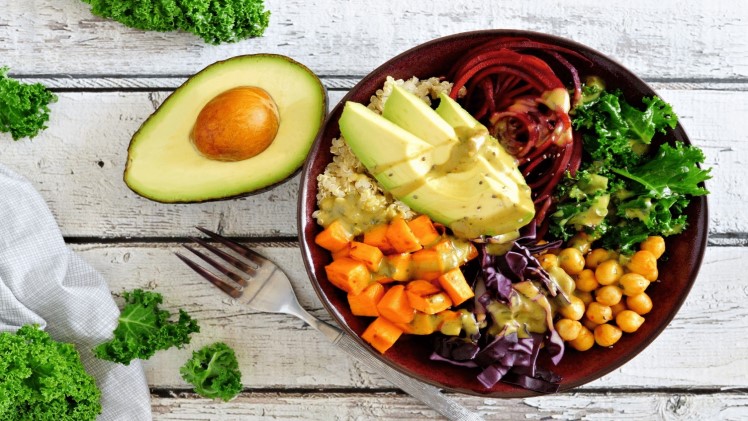
Food is an essential part of human life, serving not only as a source of energy but also as a means of culture, tradition, and social interaction. Understanding the various aspects of food, including its nutritional benefits, popular diets, and the role it plays in maintaining health, is crucial for making informed dietary choices. In this comprehensive guide, we explore the intricacies of food, providing you with detailed information that will help you make better decisions for your health and well-being. For those curious about crafting homemade snacks, Mahogany Smoked Meats provides a helpful guide on how to make beef jerky in the oven, combining flavor with simplicity.
Maintaining a balanced diet is essential for overall health, and staying hydrated plays a crucial role in supporting this balance. To make hydration more exciting, you can transform your kitchen with Drinkmate’s soda machine, allowing you to easily carbonate water and other beverages at home. This not only enhances the flavor of your drinks but also encourages a healthier alternative to sugary sodas, seamlessly fitting into any nutritional plan.
The Nutritional Benefits of Food
Macronutrients: The Building Blocks of Your Diet
Food is composed of macronutrients, which include carbohydrates, proteins, and fats. These are the primary sources of energy for the body.
- Carbohydrates: Carbohydrates are the body’s main source of energy. They are found in foods such as bread, rice, pasta, and fruits. Simple carbohydrates, like sugars, provide quick energy, while complex carbohydrates, like those in whole grains, offer sustained energy.
- Proteins: Proteins are essential for building and repairing tissues. They are made up of amino acids, some of which are essential, meaning they must be obtained from food. Sources of protein include meat, fish, eggs, dairy products, legumes, and nuts.
- Fats: Fats are a concentrated source of energy and are vital for the absorption of fat-soluble vitamins (A, D, E, and K). Healthy fats, such as those found in avocados, nuts, seeds, and olive oil, are important for brain function and heart health.
Micronutrients: Vitamins and Minerals
In addition to macronutrients, food also contains micronutrients, which are vitamins and minerals necessary for various bodily functions.
- Vitamins: Vitamins are organic compounds that are crucial for maintaining health. For example, vitamin C is important for immune function, while vitamin D is necessary for bone health.
- Minerals: Minerals like calcium, potassium, and magnesium play key roles in bone health, muscle function, and fluid balance. Apart from this, you can also use supplements from amazon.ca
Popular Diets and Their Impact on Health
The Mediterranean Diet
The Mediterranean diet is rich in fruits, vegetables, whole grains, and healthy fats, particularly olive oil. This diet has been associated with a lower risk of heart disease, improved brain function, and longer life expectancy. It emphasizes the consumption of fish and seafood while limiting red meat and processed foods.
The Ketogenic Diet
The ketogenic diet is a low-carb, high-fat diet that has gained popularity for its potential to promote weight loss and improve metabolic health. By drastically reducing carbohydrate intake, the body enters a state of ketosis, where it burns fat for fuel instead of glucose. However, this diet may not be suitable for everyone and should be followed under medical supervision.
The Vegan Diet
The vegan diet excludes all animal products, focusing on plant-based foods such as fruits, vegetables, grains, nuts, and seeds. This diet is associated with a lower risk of chronic diseases like heart disease and diabetes, but it requires careful planning to ensure adequate intake of essential nutrients like vitamin B12, iron, and calcium.
The Paleo Diet
The paleo diet is based on the types of foods presumed to have been eaten by early humans, such as meat, fish, fruits, vegetables, nuts, and seeds. It excludes processed foods, grains, legumes, and dairy. Proponents claim it leads to weight loss and improved health, but critics argue that it may lack essential nutrients found in dairy and grains.
The Role of Food in Maintaining Health
Weight Management
Proper nutrition is key to maintaining a healthy weight. Consuming a balanced diet that includes a variety of foods from all food groups helps prevent obesity and related health issues such as type 2 diabetes, heart disease, and certain cancers.
Heart Health
A diet rich in fruits, vegetables, whole grains, and healthy fats can significantly reduce the risk of heart disease. Foods high in fiber, such as oats, barley, and legumes, help lower cholesterol levels, while omega-3 fatty acids found in fish can reduce inflammation and prevent blood clots.
Digestive Health
Fiber is essential for digestive health, promoting regular bowel movements and preventing constipation. Whole grains, fruits, vegetables, and legumes are excellent sources of dietary fiber. Additionally, fermented foods like yogurt and sauerkraut contain probiotics, which support a healthy gut microbiome.
Mental Health
There is growing evidence that diet plays a significant role in mental health. A balanced diet rich in omega-3 fatty acids, vitamins, and minerals can help improve mood and cognitive function. Conversely, diets high in processed foods and sugars have been linked to an increased risk of depression and anxiety.
Tips for Healthy Eating
Practice Portion Control
Even healthy foods can contribute to weight gain if consumed in large quantities. Practicing portion control is essential for maintaining a healthy weight. Use smaller plates, measure portions, and be mindful of hunger and fullness cues.
Eat a Variety of Foods
Eating a wide variety of foods ensures that you get all the essential nutrients your body needs. Incorporate different fruits, vegetables, proteins, and grains into your diet to benefit from their unique nutritional profiles.
Limit Processed Foods
Processed foods often contain high levels of added sugars, unhealthy fats, and sodium, which can contribute to chronic diseases. Opt for whole, minimally processed foods whenever possible, and read labels to make informed choices.
Stay Hydrated
Water is vital for every bodily function, from digestion to temperature regulation. Aim to drink at least eight glasses of water a day, and more if you are physically active or live in a hot climate.
Plan Your Meals
Planning your meals ahead of time can help you make healthier choices and avoid the temptation of fast food or unhealthy snacks. Prepare a weekly menu, make a shopping list, and stick to it.
Conclusion: Making Informed Food Choices
Food is more than just fuel; it is a vital component of our overall health and well-being. By understanding the nutritional benefits of different foods, exploring popular diets, and adopting healthy eating habits, we can improve our health and quality of life. Remember, the key to a healthy diet is balance, variety, and moderation.
