

The Rise of Electric Vehicles
Electric vehicles (EVs) aren’t just altering the automotive industry—they’re pioneering a shift toward a more sustainable way of living. The substantial decline in lithium-ion battery costs over recent years has made EVs more financially feasible for the average consumer. Furthermore, heightened awareness of climate issues is compelling individuals to reconsider their transportation choices. Evidence from the International Energy Agency report indicates that EV sales have surged dramatically, reaching new heights and marking an inflection point in consumer behavior. This surge is bolstered by increased vehicle autonomy, improved infrastructural support, and favorable governmental incentives to encourage cleaner, greener transportation methods.
The Importance of Charging Infrastructure
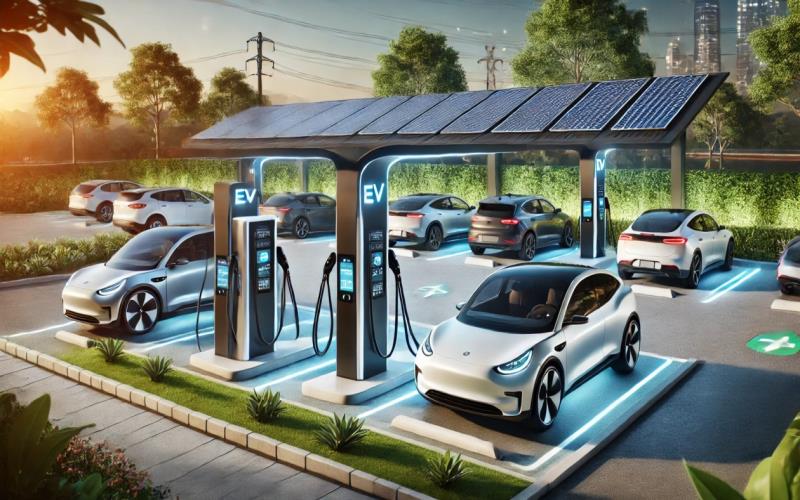
With the rising tide of electric vehicles, the demand for solid and dependable charging infrastructure has never been greater. A comprehensive commercial EV charging station facility network is vital to supporting this growth. As urban centers strive to lessen their environmental footprint, investing in efficient charging solutions is gaining traction as an indispensable priority. Such infrastructure is crucial for meeting current demand and a cornerstone for enticing more people towards EV adoption by alleviating concerns around range and charging accessibility. Cities and municipalities across the globe are beginning to understand that an extensive EV charging network is imperative for fostering sustainable urban mobility and creating a viable alternative to fossil fuel dependency.
Technological Innovations in Charging Stations
The rapid advancements in charging station technology are nothing short of revolutionary. Innovations such as ultra-fast charging and wireless systems are reducing charging times significantly, comparing favorably to conventional fueling of internal combustion vehicles. For some models, ultra-fast chargers can deliver up to 350 kW, reducing charging times to as little as 15-20 minutes. As an evolving technology, wireless charging offers enhanced convenience, allowing for dynamic charging scenarios where vehicles can receive power while driving or stationary without needing a wired connection. These technological strides are crucial for addressing the “range anxiety” issue that potential EV buyers often face. As these technologies are refined and commercialized, they greatly enhance the attractiveness and practicality of electric vehicles.
Role of Government Policies and Incentives
Governments significantly influence expanding EV charging infrastructure through strategic policy frameworks and incentives. By offering tax rebates, grants, and subsidies, authorities are making it financially viable for businesses and homeowners to participate in the electric vehicle ecosystem. In some regions, governments are installing public charging stations in low-income areas to bridge the access gap and ensure that the benefits of EV technology are equitably distributed. Additionally, establishing low-emission zones compels drivers to consider electric vehicles a less costly alternative, promoting cleaner urban environments. These legislative efforts synchronize with broader environmental objectives, steering the industry and consumers toward a more sustainable transportation future.
Challenges and Opportunities in EV Infrastructure
Building a comprehensive EV charging network involves overcoming a series of significant challenges. High installation and operational costs can be prohibitive, especially for small businesses and less densely populated areas. Moreover, the inconsistent charging standards can complicate the user experience and deter potential EV adopters. However, these challenges also present ripe opportunities for innovation and collaboration. By developing universal charging standards and facilitating partnerships between technology firms and automotive companies, the industry can simplify the consumer experience and drive wider EV adoption. The potential for businesses to innovate within the charging sector is vast—consider solutions like subscription-based models or community-shared charging arrangements that can optimize resource use and minimize individual costs.
Overcoming Infrastructure Costs
While the high costs associated with deploying EV charging infrastructure present a formidable challenge, solutions exist. Public-private partnerships, green financing options, and scale economies can significantly mitigate these costs. For instance, shared charging facilities in community hubs or workspaces can distribute costs among users, making them more tenable. Additionally, leveraging cutting-edge technology can reduce operational inefficiencies, thus lowering maintenance expenditure over time. Stakeholders who invest in such forward-thinking projects will alleviate immediate financial burdens and likely benefit from a loyal customer base eager to harness the advantages of reliable and accessible EV charging options.
Collaboration Between Public and Private Sectors
Public and private sector stakeholders must work collaboratively to address EV charging infrastructure’s expanding needs efficiently. Public-private partnerships (PPPs) are a powerful mechanism to marry governmental support mechanisms with the elegant, innovation-driven approaches of private enterprise. Governments can provide regulatory support, financial backing, and incentives, while private companies can contribute technological expertise, project management, and operational efficiencies. By fostering collaborative initiatives, entities can expedite the deployment of EV infrastructure projects and ensure they are aligned with market demand and policy objectives. This synergy will guarantee a swift roll-out of necessary infrastructure and ensure sustainability, profitability, and consumer satisfaction.
The Road Ahead
The ongoing evolution of the EV charging landscape signifies a meaningful shift in global transportation paradigms, closely aligning with environmental sustainability goals. Continued investments, courageous innovations, and international collaboration pave the way for a transformative era in which EVs become a mainstream choice. The focus on building a resilient and widely accessible EV infrastructure signifies more than just a shift in fuel sources—it underscores a commitment to cleaner air and healthier communities through technology. As more stakeholders, from tech startups to established automotive giants, invest in and advocate for EV charging infrastructure, realizing a sustainable transportation future becomes more conceivable. This progression heralds a new chapter in which mobility is synonymous with environmental responsibility, driving economic and ecological advancement hand-in-hand.
In conclusion, the momentum behind EV charging infrastructure reflects a rapidly approaching reality—where sustainable transportation is not just a vision but an achievable, everyday practicality. The collaborative efforts of policymakers, businesses, innovators, and individuals accelerate us toward this goal, promising a greener future fueled by electric innovation.
